Loading blog posts…
Zero One Creation Blog: Web, App & Growth Guides

How Manufacturing Businesses Are Using Automation to Cut Costs
Manufacturers cut costs when automation targets a measured loss: downtime, scrap, disconnected data, paperwork or energy. Here is where it pays, where it does not, and how to sequence it.
 Aditya ChaudharyNov 19, 202612 min read
How to Write a Software Requirements Document Your Developer Will Actually Use
A requirements document only helps if developers keep opening it. Learn how to frame the goal, write testable requirements, set scope and keep the document current.
 Gourav DhimanNov 17, 202613 min read
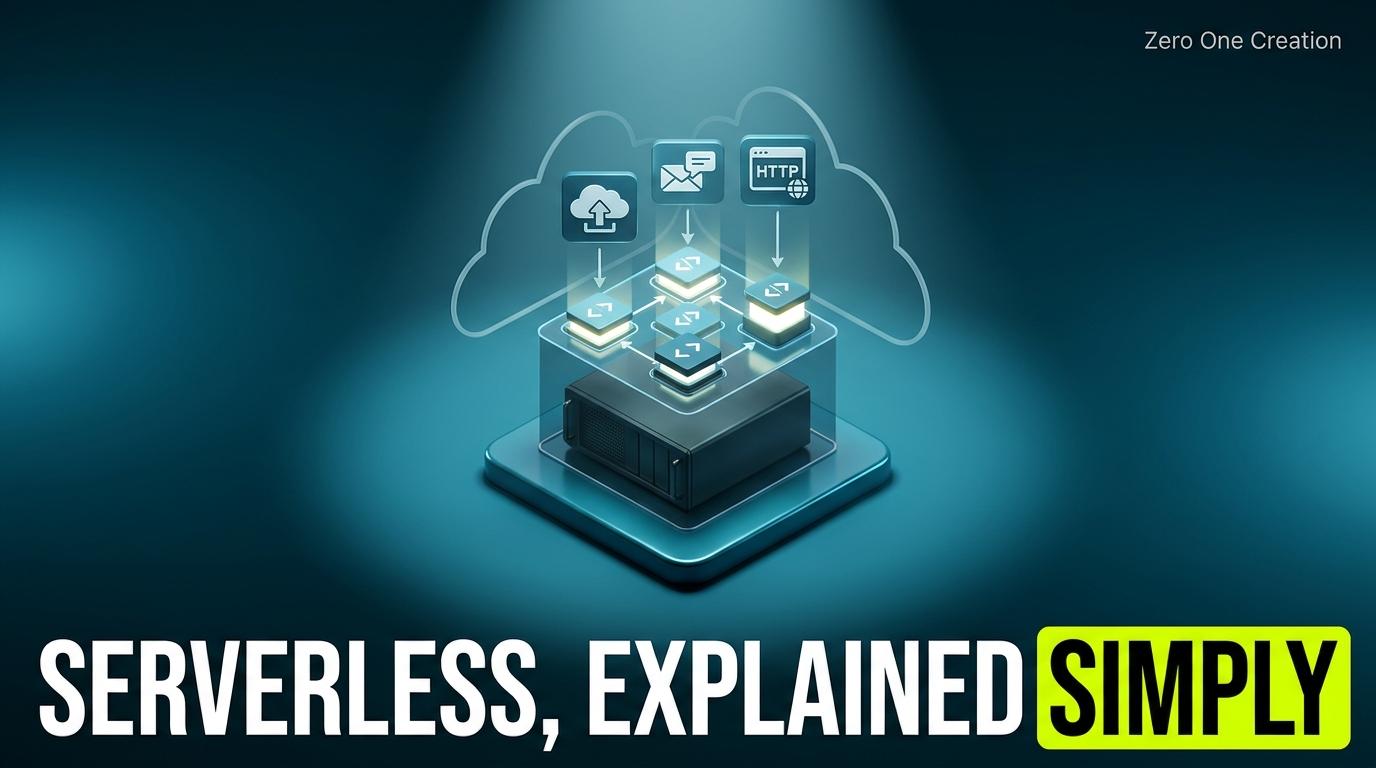
Serverless Architecture Explained in Plain English
Serverless architecture lets you run code without managing servers and pay only for what your application uses. This plain-English guide explains how it works, what it costs, its limits and when to choose it.
AvantikaNov 5, 202617 min read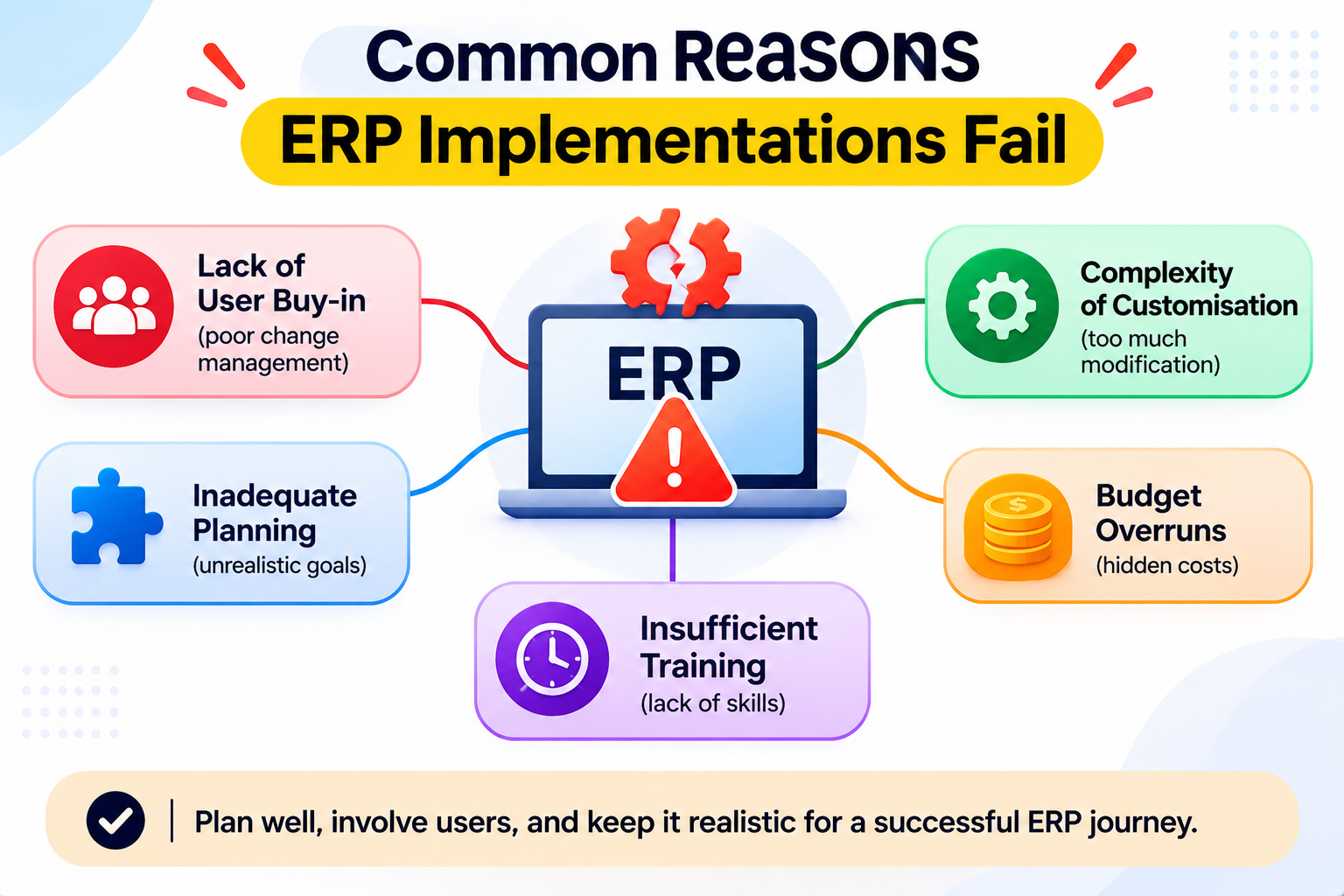
Common Reasons ERP Implementations Fail
Key reasons ERP implementations fail and how better planning, user involvement, and training improve success.
Ishita SinghNov 2, 202618 min read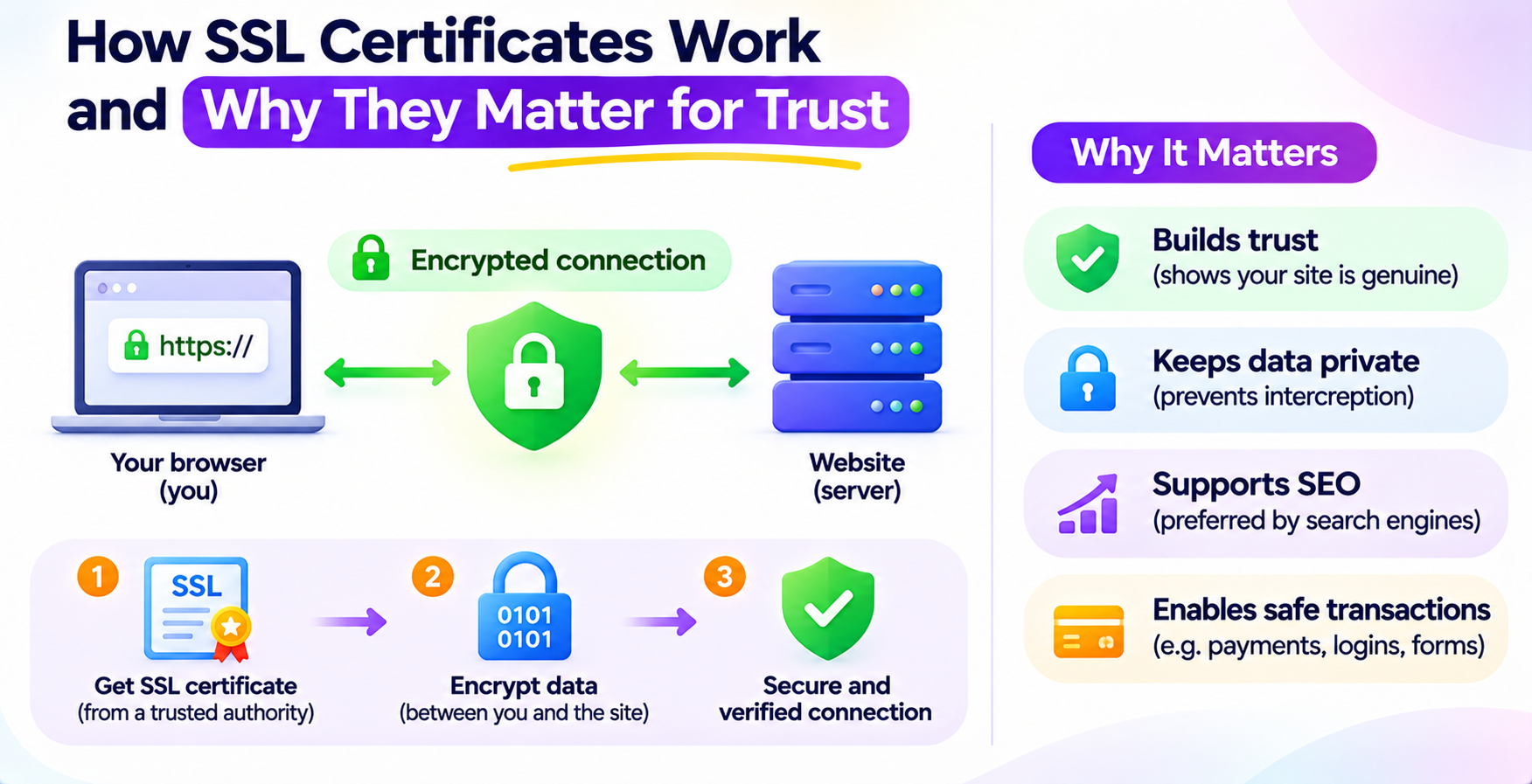
How SSL Certificates Work and Why They Matter for Trust
Learn how SSL/TLS certificates enable secure HTTPS connections, encrypt data exchanged between browsers and websites, and help build customer trust through safer browsing, logins, and online transactions.
AvantikaNov 1, 202619 min read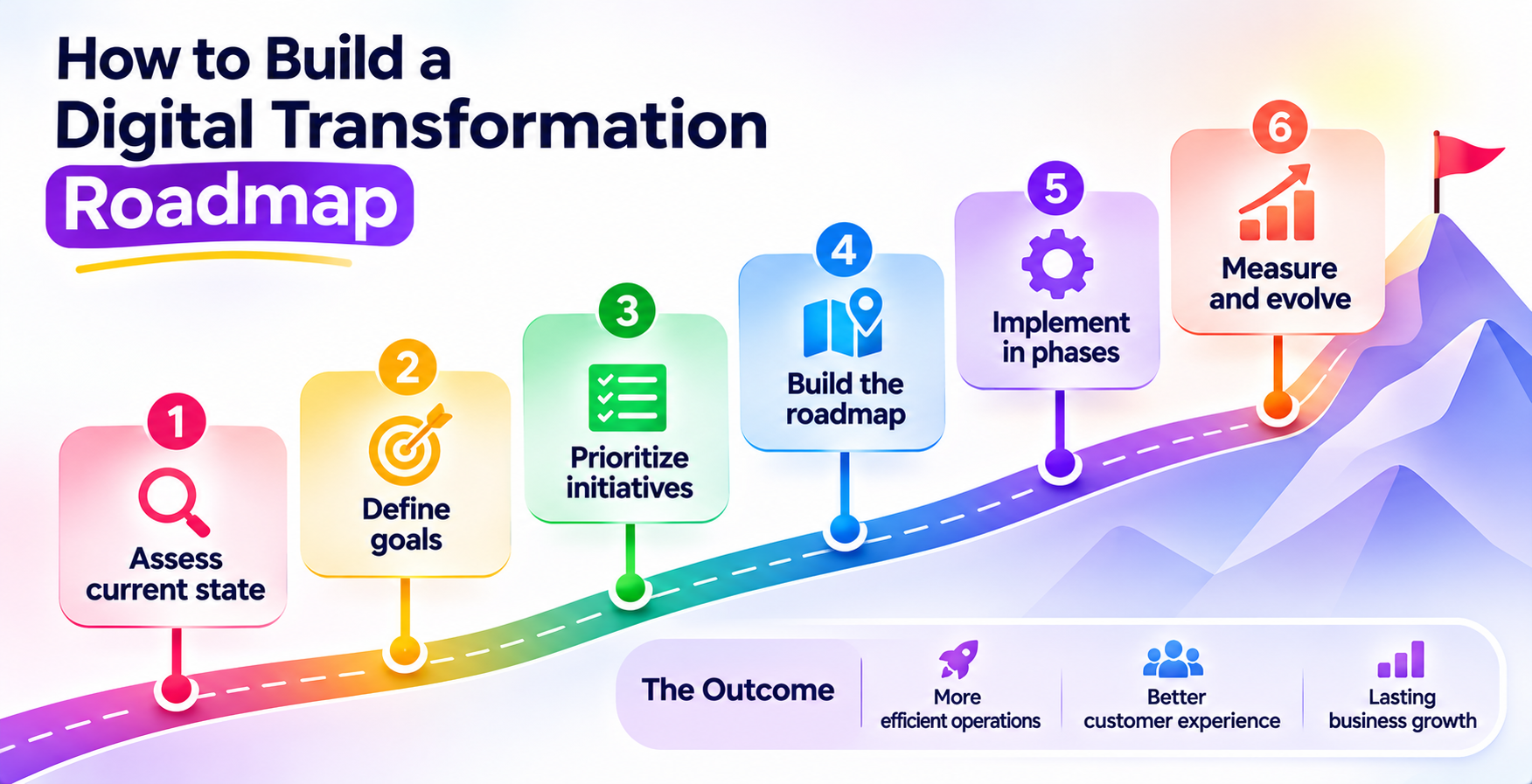
How to Build a Digital Transformation Roadmap for Your Business
Learn how to build a practical digital transformation roadmap by assessing existing systems, defining business goals, prioritising initiatives, and implementing changes in phases to improve efficiency, customer experience, and long-term growth.
Aarav SharmaNov 1, 202617 min read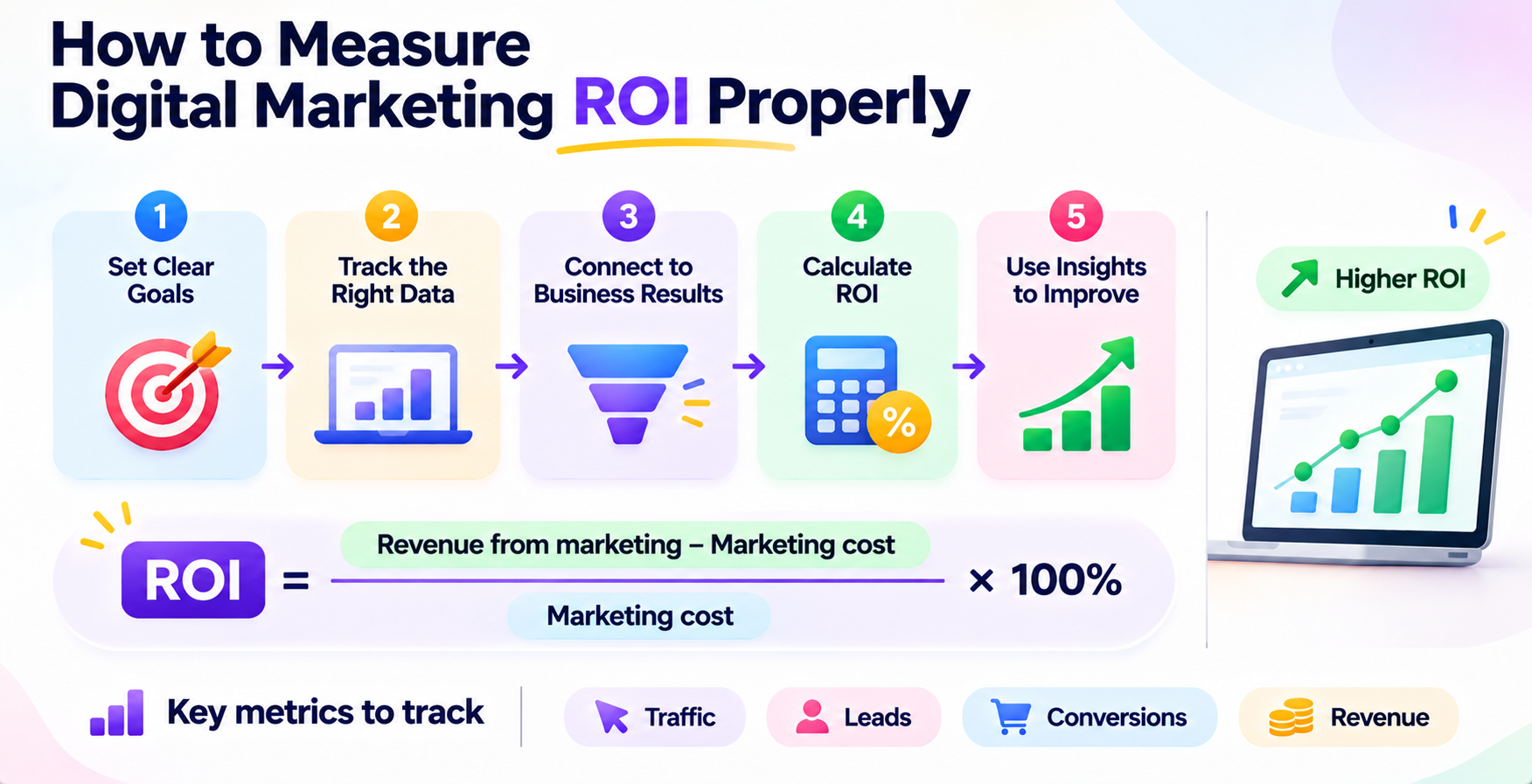
How to Measure Digital Marketing ROI Properly
Learn how to measure digital marketing ROI by tracking campaign costs, leads, conversions, and revenue. Discover how to connect marketing performance with business results and optimise spending for better profitability.
Aisha SharmaNov 1, 202620 min read01 / 07
Latest
E-E-A-T Explained: How Google Evaluates Trustworthiness
A visual guide to Google's E-E-A-T framework—Experience, Expertise, Authoritativeness, and Trustworthiness—explaining how these qualities help establish content credibility, demonstrate expertise, and support SEO.
 Aisha SharmaOct 24, 202618 min read1.4k views
In-House Development vs Outsourcing: A Cost and Risk Comparison
A visual comparison of in-house development and outsourcing, highlighting differences in costs, talent availability, project timelines, control, risks, and long-term business suitability.
 Gourav DhimanOct 24, 202620 min read1.2k views
How Manufacturing Companies Use Custom ERP for Inventory Control
A visual guide showing how custom ERP systems connect purchasing, production, warehousing, and sales to improve inventory accuracy, reduce stockouts, and streamline manufacturing operations.
Ishita SinghOct 23, 202623 min read1.1k views
How to Reduce App Development Costs Without Sacrificing Quality
A visual guide to reducing app development costs through smart planning, essential features, proven technologies, phased development, and long-term maintenance without compromising quality.
Vansh DhimanOct 23, 202620 min read1.4k views
Data Readiness: Why Most Businesses Aren't Ready for AI Yet
A visual guide explaining why businesses struggle with AI adoption due to fragmented data, poor data quality, limited governance, and inadequate preparation.
Aditya ChaudharyOct 22, 202620 min read1.4k views
Cloud Compliance: What Businesses in Regulated Industries Must Know
A visual guide to cloud compliance for regulated industries, highlighting data protection, access controls, security, auditing, regulatory requirements, and ongoing governance.
AvantikaOct 22, 202622 min read1.4k views
Change Management: Getting Your Team to Actually Use New Tools
A six-step change management guide showing how businesses can improve team adoption of new tools through employee involvement, simple workflows, practical training, ongoing support, and continuous improvement.
Gourav DhimanOct 22, 202621 min read1.1k views
How to Create a Content Calendar That Actually Gets Followed
A practical six-step guide to creating a content calendar, covering goal setting, audience research, content planning, ownership, scheduling, and performance reviews for consistent publishing.
Aisha SharmaOct 21, 202620 min read1.4k views
What Is a Software Discovery Phase and Why You Shouldn't Skip It
A visual guide explaining the five stages of software discovery—understand, define, explore, plan, and validate—and how they reduce costly rework, align stakeholders, and improve project outcomes.
Gourav DhimanOct 21, 202618 min read1.3k views
Subscription Billing Systems: What to Consider Before Building
A professional visual highlighting key considerations before building a subscription billing system, including pricing, recurring payments, billing logic, security, integrations, and scalability.
Ishita SinghOct 18, 202623 min read1.3k views
App Analytics: What Metrics Actually Matter for Business Growth
A professional visual highlighting five essential app analytics metrics—acquisition, engagement, retention, conversion, and revenue—to help businesses measure growth and make data-driven decisions.
Vansh DhimanOct 18, 202623 min read1.5k views
AI Ethics and Data Privacy: What Business Owners Must Understand
An editorial visual highlighting the importance of AI ethics, data privacy, fairness, compliance, and trust for businesses adopting artificial intelligence.
Aditya ChaudharyOct 16, 202620 min read1.3k views
How to Choose a Technical Consultant for Your Growing Business
A six-step visual guide to choosing the right technical consultant, focusing on experience, business understanding, communication, value, and long-term growth.
AvantikaOct 16, 202622 min read1.2k views
How to Choose Between Zoho, HubSpot, and a Custom CRM
A visual comparison of Zoho, HubSpot, and Custom CRM, highlighting affordability, ease of use, customization, and business needs to help companies choose the right CRM.
Gourav DhimanOct 16, 202621 min read1.2k views
Paid Ads vs Organic SEO: A Cost Comparison for SMEs
A visual comparison of paid advertising and organic SEO, highlighting their costs, time to results, traffic growth, and long-term value for SMEs.
Aisha SharmaOct 16, 202623 min read1.4k views
How to Scale a Web Application as Your User Base Grows
A three-stage roadmap showing how web applications scale from simple architecture to load balancing, caching, and distributed services as user demand grows.
Gourav DhimanOct 14, 202621 min read1.1k views
How to Validate a SaaS Idea Before Writing Any Code
SaaS validation framework showing how founders can test a product idea before investing in development, moving from problem validation and market research to defining the solution, testing interest, confirming willingness to pay, and making a go-or-iterate decision.
Ishita SinghOct 14, 202621 min read1.2k views
Offline-First Apps: When and Why Your Business Needs One
Why businesses may need offline-first apps. It shows field work continuing without connectivity, local data capture, automatic syncing when a connection returns, and practical use cases across field services, retail, logistics, and healthcare.
Vansh DhimanOct 12, 202622 min read1.5k views
How Automation Reduces Human Error in Business Operations
Compares manual and automated business workflows, highlighting how automation helps reduce data-entry mistakes, improve consistency, save time, and streamline operations.
Aditya ChaudharyOct 12, 202621 min read1.1k views
Load Balancing Explained for Non-Technical Founders
Explains how load balancing distributes website traffic across multiple servers to improve performance, reliability, scalability, and user experience.
AvantikaOct 11, 202622 min read1.3k viewsStart here
New to the blog? These guides answer the questions we hear most. For help with a project, see our services or the industries we serve.
- Software strategyCustom software vs off-the-shelfWhen to build and when to buy.11 min read
- CRM & ERPWhen to move from CRM to ERPSigns your business has outgrown its tools.14 min read
- Mobile appsNative vs cross-platform appsChoosing how to build your app.12 min read
- StartupsWhat investors look for in a SaaS MVPFor founders planning a first release.13 min read
- WebsitesThird-party integrations for your websiteWhich integrations matter.16 min read
- Real estateLead management for real estateStopping leads leaking between portals and agents.14 min read