
How to Automate Invoicing and Billing With Zoho
A visual guide to automating invoicing and billing with Zoho, covering recurring invoices, automatic delivery, online payments, and financial reporting.
Oct 9, 20261.1k views
Loading gourav-dhiman author profile…
Author

Founder & Technology Leader at Zero One Creation
Gourav is an entrepreneur, business strategist, and technology leader who builds companies from the ground up. He helps businesses scale through technology, branding, AI, and automation — with client work spanning five countries.
33 articles published
A visual guide to automating invoicing and billing with Zoho, covering recurring invoices, automatic delivery, online payments, and financial reporting.
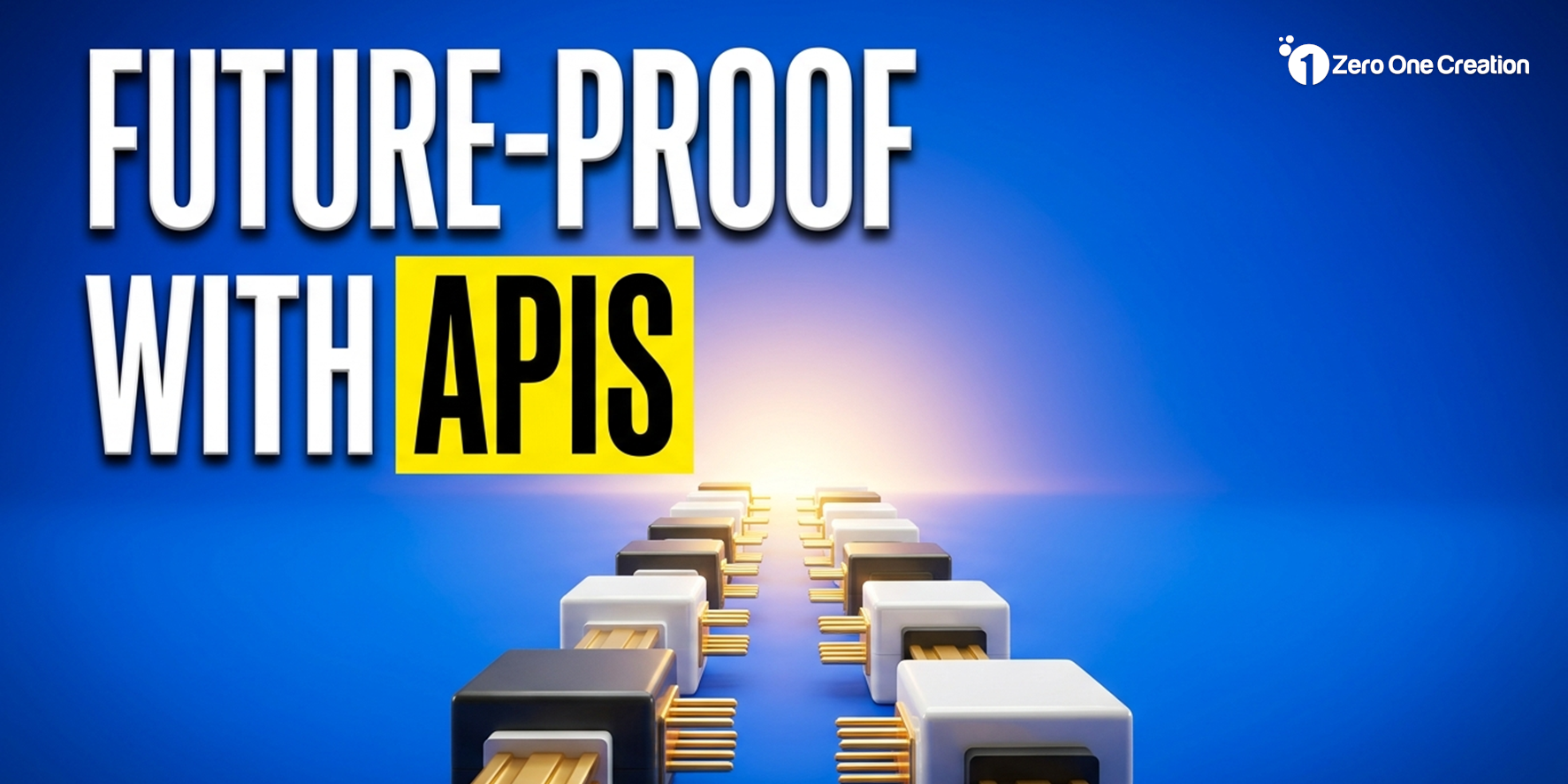
A visual overview of how API-first development connects business systems, simplifies integrations, improves flexibility, and supports long-term scalability.
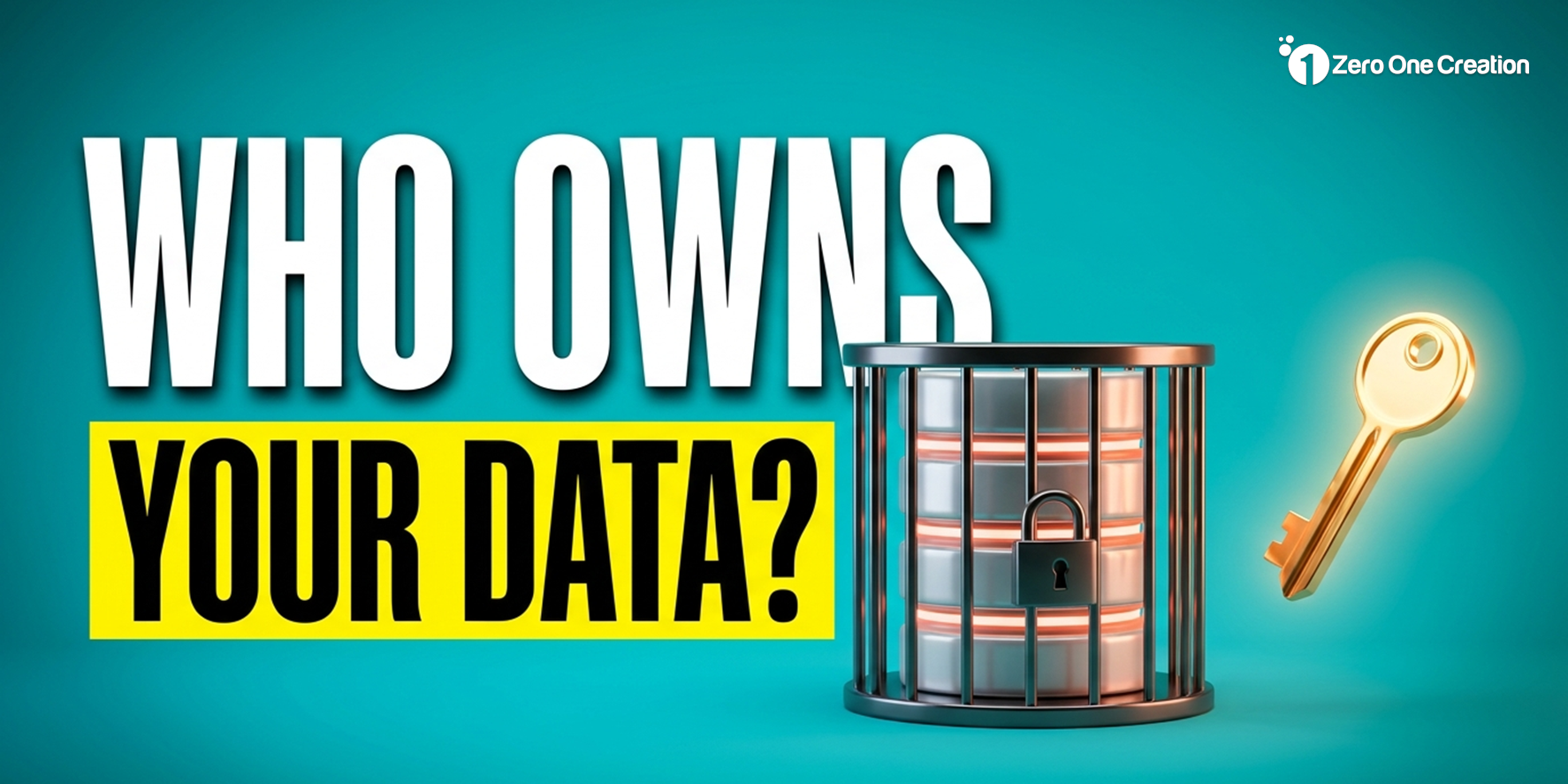
A clean business-tech infographic explaining the key questions to ask about data ownership and portability before adopting a digital platform. It covers ownership, export options, included data, APIs and integrations, exit procedures, and possible restrictions or fees.

It routes users into four paths: standard store or content site, internal tool, distinctive web product, and mobile-first product, then recommends off-the-shelf, low-code, full-stack, cross-platform, or native development options with a final question to ask a developer.
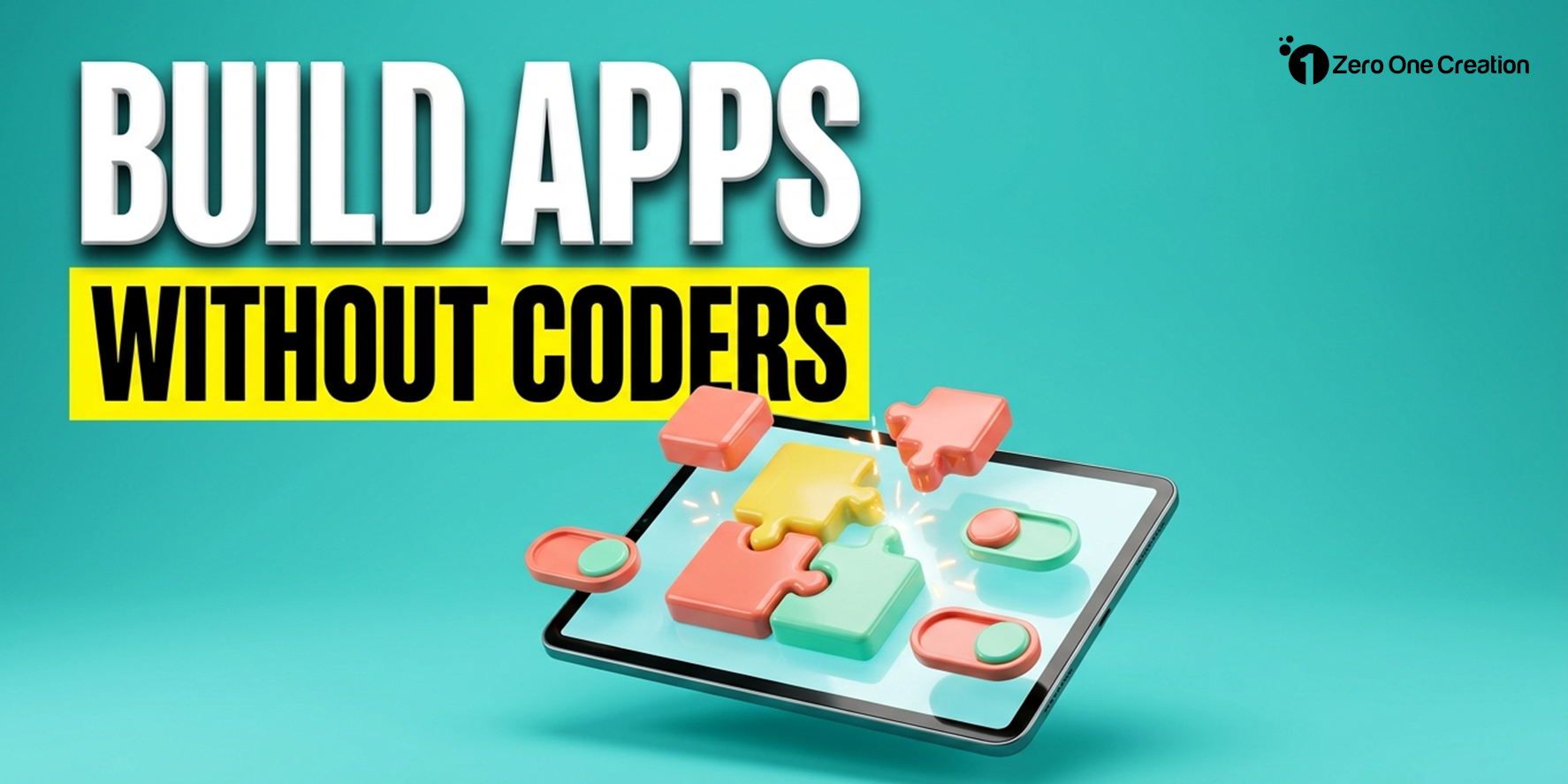
A professional Zoho Creator visual showing how businesses can build and manage custom apps through a low-code interface, with tools for forms, workflows, reports, team access, and responsive mobile use.
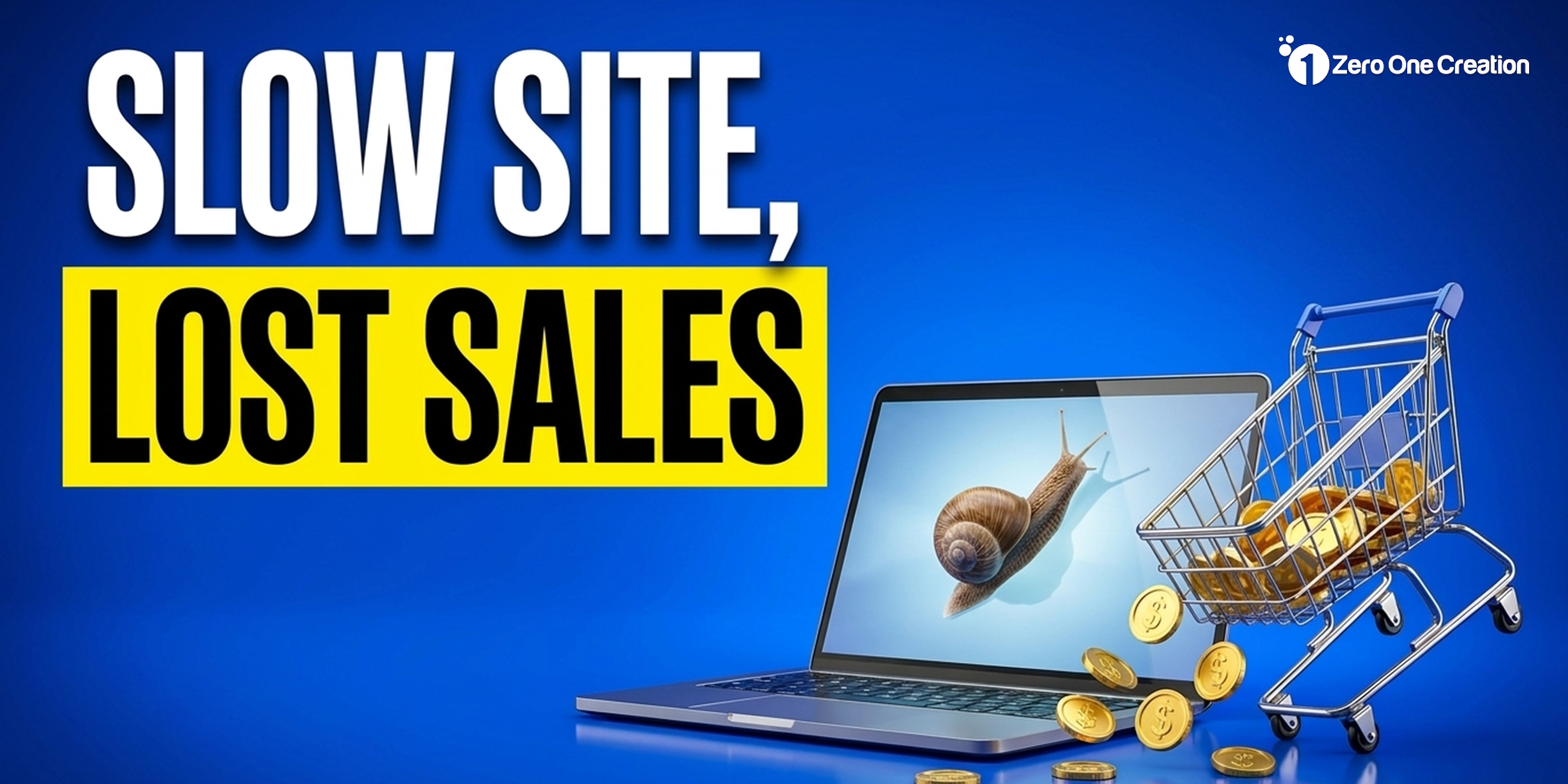
A professional comparison visual showing how faster website performance can improve the customer experience and support stronger conversions and revenue, contrasting a slow-loading site with a responsive ecommerce experience.
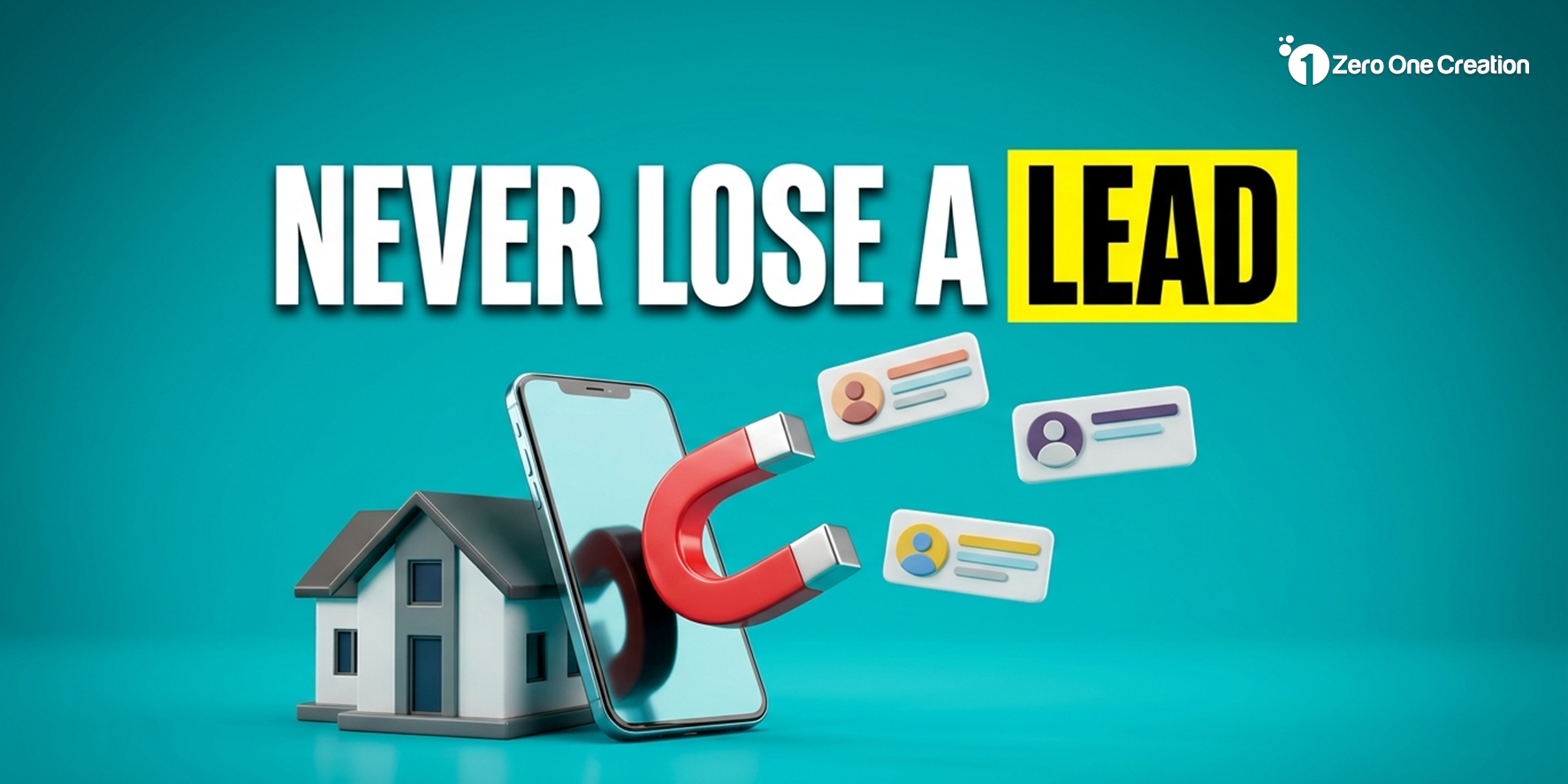
A clean, modern infographic showing how real estate businesses use digital tools to capture leads from multiple channels, organize them in one system, automate follow-up, assign agents, and monitor performance more efficiently.
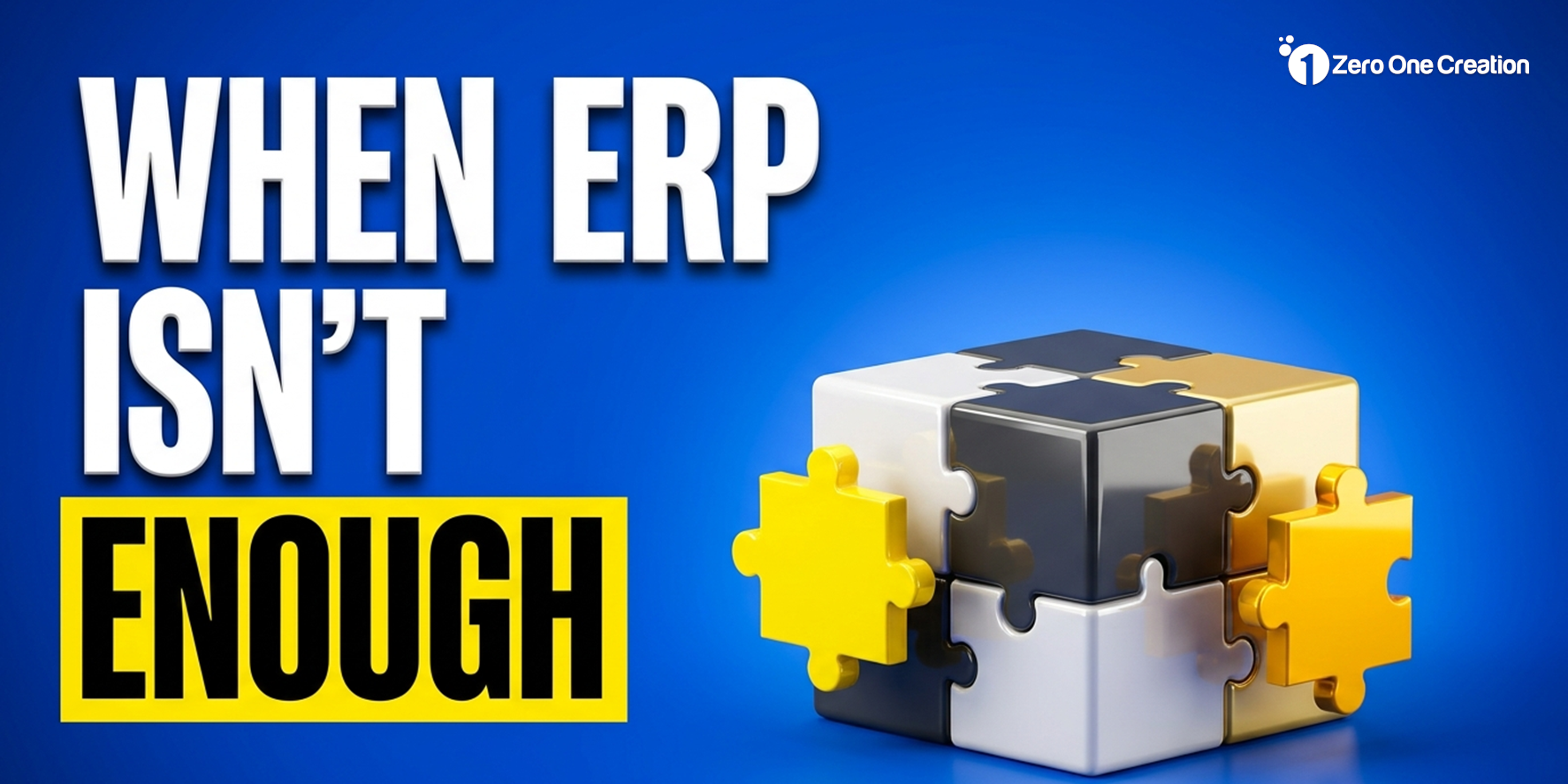
Custom ERP-adjacent software extends an existing ERP with specialized workflows, integrations, and operational capabilities that standard modules may not handle well. It is useful when a business needs industry-specific processes without replacing its entire ERP.

Digital transformation ROI measures whether investments in technology, people, process change, and implementation time produce measurable business value through efficiency gains, stronger customer experience, revenue growth, and lower operating costs.
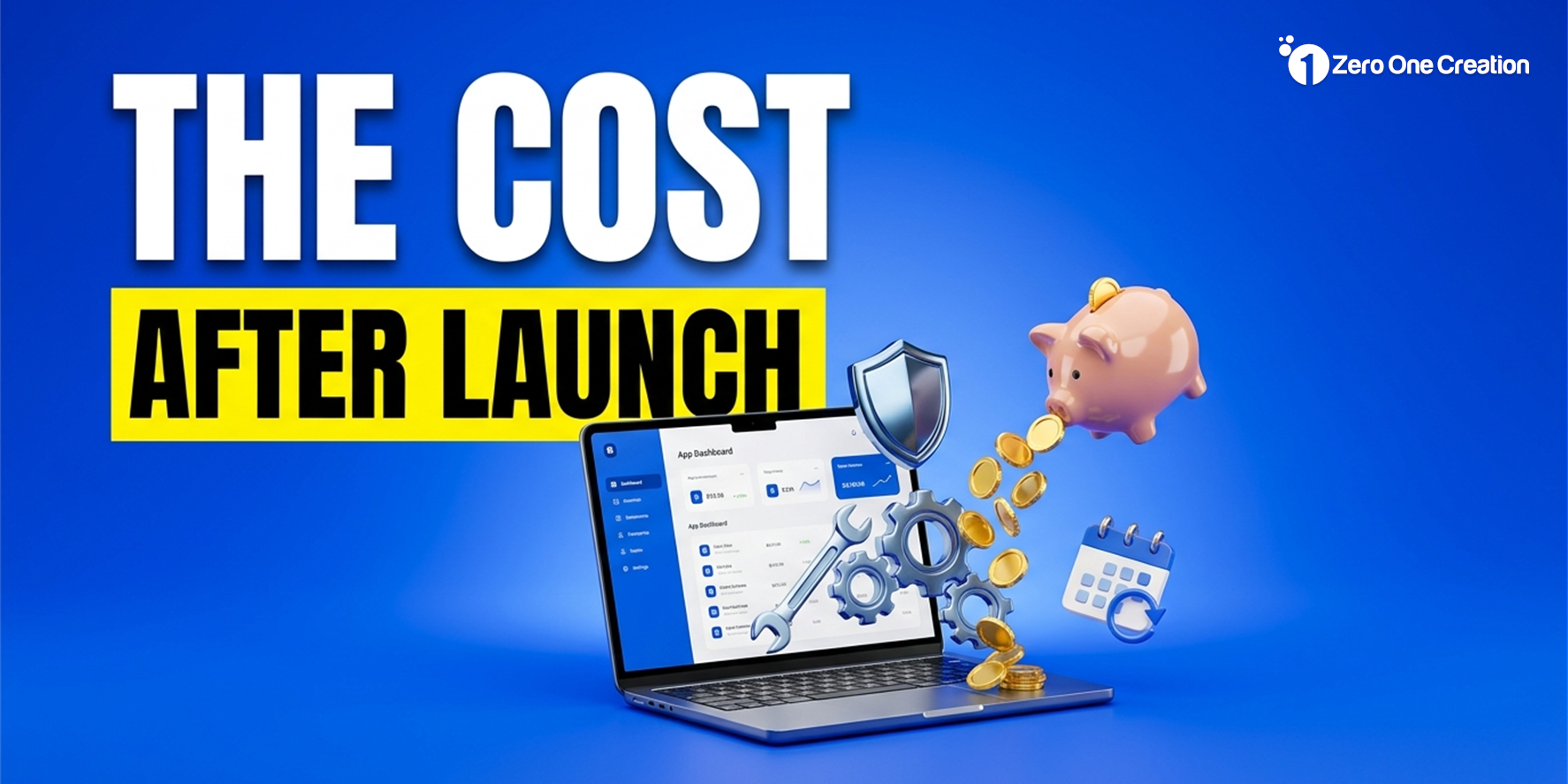
A recurring operating cost that covers bug fixes, security updates, dependency upgrades, performance work, infrastructure changes, monitoring, support, and planned improvements, with budget set aside continuously rather than only when problems appear
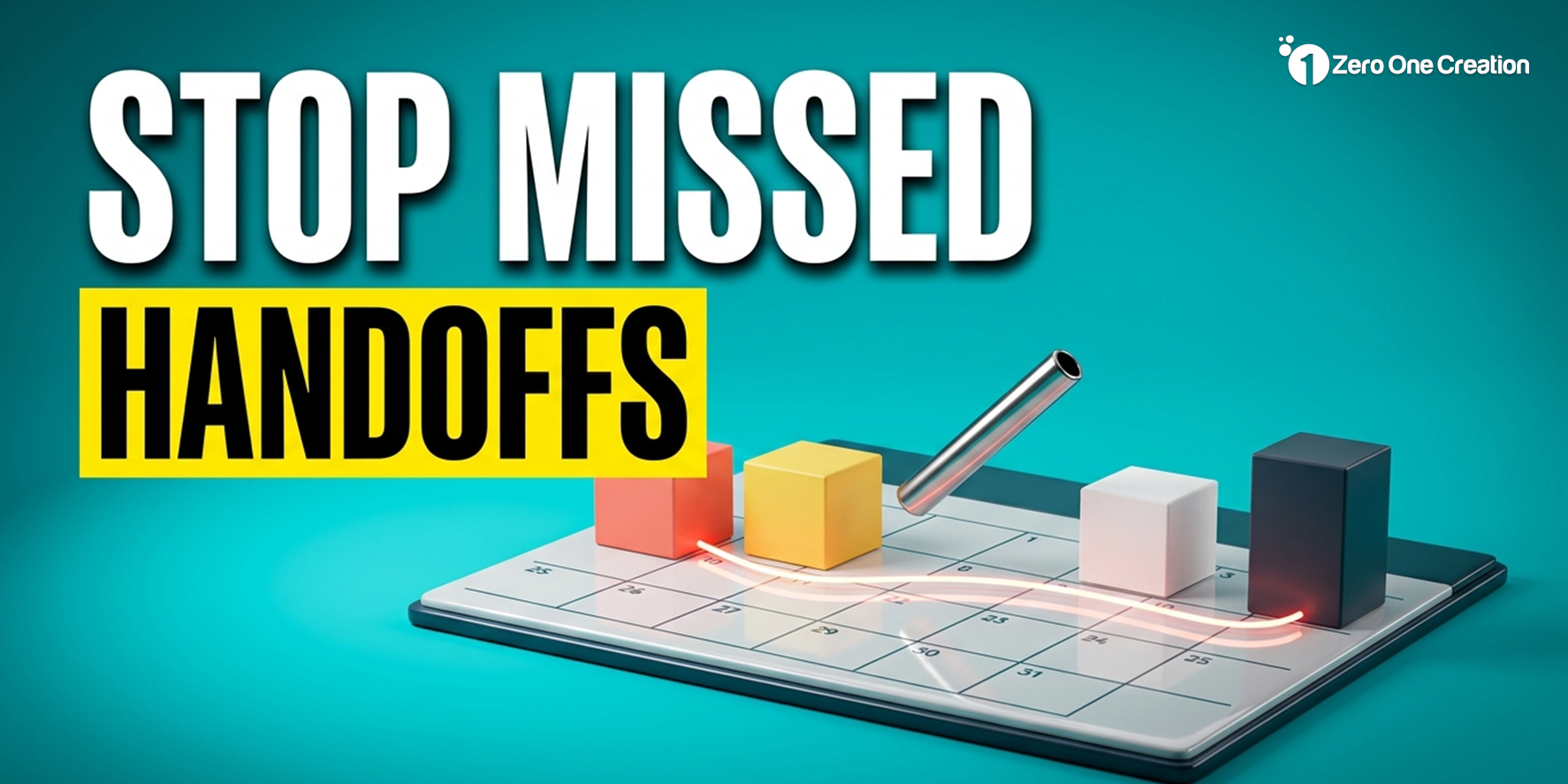
A shared calendar and workflow system helps departments coordinate schedules, handoffs, approvals, deadlines, and shared resources in one connected operational view

A business website becomes more effective when it connects with essential third-party systems such as CRM, analytics, email marketing, payments, booking, customer support, ERP or inventory, and automation tools.