Aisha Sharma
Real estate businesses rarely suffer from a lack of lead sources. The harder problem is what happens after those leads arrive.
An enquiry may come from a property portal at 9:10 a.m., a Facebook campaign at lunchtime, an open house later that afternoon, and a referral by phone that evening. If those contacts live in different inboxes, spreadsheets, messaging apps, advertising dashboards and agents' phones, the business does not really have a lead-generation system. It has a collection of disconnected conversations.
Modern lead management tools are designed to solve that operational problem. They capture enquiries from different channels, create a consistent contact record, automate the first response, assign ownership, schedule follow-ups and give managers visibility into what is happening across the pipeline.
The technology is becoming increasingly normal in real estate. The National Association of REALTORS® reported in its 2025 technology survey that CRM systems were the second-highest source of quality leads reported by respondents, behind social media. In the same survey, 82% of agents said clients responded positively or very positively to the use of technology in the buying and selling process. National Association of REALTORS®
By 2026, the emphasis had shifted even more strongly toward practical productivity. NAR reported that 81% of REALTORS® adopted technology primarily to save time, while 71% cited improving the client experience. National Association of REALTORS®
The important point is that digital lead management is not simply about buying a CRM. The strongest systems connect lead capture, routing, communication, reminders, activity history and reporting into one operating workflow.
The real problem is fragmented lead handling
A buyer does not care which system generated their enquiry. From their perspective, they asked a question about a property and expect somebody to respond.
Inside the agency, however, the same enquiry can pass through several systems before anyone speaks to the prospect.
A typical lead might begin on a portal, appear in an email inbox, get copied into a spreadsheet, be forwarded to an agent, trigger a phone call and then disappear into the agent's personal notes. If the buyer does not respond immediately, there may be no reliable process for the next contact attempt.
That creates several predictable problems.
The first is slow response. Zillow's agent guidance describes rapid follow-up as a core practice for successful lead conversion and recommends automatic responses when agents cannot immediately reply themselves. Zillow
The second is unclear ownership. When everyone can see a lead but nobody is explicitly responsible for it, it becomes easy to assume somebody else has followed up.
The third is incomplete context. An agent may see a name and phone number but not the original property, campaign, conversation history, preferred location or previous interaction with another team member.
The fourth is weak reporting. If lead activity is distributed across personal phones, email accounts and spreadsheets, management cannot reliably answer basic questions such as which channels produce qualified appointments or how many new enquiries are still waiting for follow-up.
Digital tools are useful because they can turn those disconnected actions into one trackable sequence.
Start with a central lead record
A real estate CRM, or another structured lead-management platform, usually becomes the central record for prospective buyers, sellers, landlords, tenants or investors.
That does not mean every business needs the most complex CRM available. The important requirement is that one system becomes the agreed place where the team can see:
- who the prospect is
- how the lead entered the business
- which property or service they were interested in
- who owns the relationship
- when the last interaction happened
- what the next action should be
- where the lead sits in the pipeline
This sounds basic, but it is the foundation for everything else.
Without a reliable central contact record, automation simply moves fragmented information faster. With one, the business can begin connecting systems in a controlled way.
The value of centralisation is one reason platforms such as Follow Up Boss have become widely used by larger real estate teams. Zillow says Follow Up Boss is used by 41 of the 50 highest-volume real estate teams in the United States, illustrating the importance placed on centralized contact, activity and performance management at scale. Zillow
A CRM should not become another inbox that agents are expected to check manually. Its job is to reduce fragmentation.
Capture leads automatically from every important source
Manual data entry is one of the first processes worth removing.
When someone submits an enquiry through the agency website, responds to a property advertisement or enters through a supported portal integration, their contact information should ideally be created in the lead-management system automatically.
The system can record the source at the same time.
That source information is more important than it may appear. Once captured consistently, it allows the business to compare the quality of portal enquiries, social media campaigns, website forms, referrals and other channels instead of judging marketing only by raw lead volume.
NAR's 2025 technology survey shows how diverse those channels already are. Respondents identified social media, CRM systems, local MLS platforms, brokerage websites, digital ads, business websites, email marketing and listing portals among their sources of quality leads. NAR
The practical lesson is that lead management should be channel-independent.
A prospect from Instagram should not receive one workflow while a portal enquiry disappears into somebody's email. Both should reach the same structured pipeline with the source preserved.
Avoid duplicate contacts
Automatic capture introduces another problem: duplication.
A buyer may first submit a portal enquiry, then contact the agency through its website two weeks later and eventually call an agent directly.
If the system treats those as three different people, agents lose context and reporting becomes unreliable.
A well-configured workflow should attempt to match incoming leads against existing email addresses and phone numbers before creating new records. The team also needs a clear process for merging genuine duplicates.
This becomes more important as more systems are integrated.
Respond immediately, but do not pretend automation is the agent
Automation is particularly useful in the gap between an enquiry arriving and an agent becoming available.
A sensible automated first response can confirm that the enquiry has been received, provide useful next steps and set expectations about when someone will reply.
For example, a buyer asking about a listing might immediately receive a confirmation that includes the property reference, a viewing link or a short question about preferred appointment times.
The automated message is not the sales conversation. It is the bridge to it.
That distinction matters because real estate is relationship-heavy. NAR's reporting on technology adoption repeatedly emphasizes that technology works best when it supports rather than replaces the agent-client relationship. National Association of REALTORS®
Automation should therefore handle predictable operational work such as acknowledgements, reminders, task creation and routing. More complex questions, negotiation and guidance still require human judgment.
Route each lead to the right person
Once a lead has been captured, the next question is ownership.
Smaller agencies may simply assign new leads to one agent manually. Larger teams need clearer routing rules.
Those rules can consider factors such as:
- geographic territory
- property type
- buyer versus seller enquiry
- language
- rental versus sales
- price band
- availability
- commercial versus residential
- round-robin distribution among eligible agents
The system should make the owner obvious.
Routing also needs an exception process. If an agent has not contacted an assigned lead within the team's expected response window, the system can generate a reminder or reassign the enquiry.
This prevents an important operational failure: technically assigning a lead without making sure anything happens afterward.
For team leaders, that creates accountability without requiring constant manual checking.
Build follow-up around the lead's actual stage
One of the easiest mistakes in lead automation is treating every contact as if they are equally ready to transact.
Real estate buyers and sellers often operate on very different timelines.
A prospect might be:
- ready to book a viewing today
- comparing several neighbourhoods
- six months away from selling
- waiting for finance
- casually monitoring the market
- looking for a rental when their current lease ends
- an investor with strict yield requirements
Those are not the same lead.
Good lead management therefore requires lifecycle stages or another way to distinguish intent.
A simple residential pipeline might include:
New enquiry → Contacted → Qualified → Viewing or consultation → Active opportunity → Negotiation → Closed
Longer-term contacts may move into a nurture stage rather than being treated as failed leads.
This is where email sequences, SMS reminders and task automation can become useful. The goal is not to bombard a prospect. It is to make sure the next appropriate interaction is not forgotten.
Use behavioural signals carefully
Modern platforms increasingly combine CRM records with behavioural signals from property-search platforms.
Zillow's 2026 rollout of Zillow Pro, for example, gives participating agents access to information about what connected contacts are viewing, saving and searching for on Zillow. The stated goal is to help agents time outreach based on signals that a client may be becoming more active. Zillow
That illustrates a broader direction in lead management.
Instead of relying entirely on static fields such as "warm" or "cold," digital systems can use recent behaviour to help agents decide who might need attention.
A returning prospect repeatedly viewing properties in a specific suburb may deserve different follow-up from somebody who has been inactive for six months.
The danger is turning behavioural data into false certainty. A saved property does not automatically mean a buyer is ready to make an offer. Signals should help prioritize human attention, not replace qualification.
Centralize communication history
A CRM becomes much more useful when agents can understand what has already happened without searching through separate apps.
Ideally, the contact record shows relevant emails, text conversations, phone notes, tasks, viewing activity and internal notes in chronological order.
That is particularly valuable when leads move between team members.
An agent returning from leave should be able to understand the relationship quickly. A manager should be able to review what happened before an important opportunity went cold. A team taking over a departing agent's pipeline should not need access to that agent's personal phone to reconstruct client history.
Zillow has been moving further in this direction. In 2025 it added Zillow Messages inside Follow Up Boss so that conversations could be stored with the CRM record and used alongside follow-up features such as summaries, suggested tasks and messaging assistance. Zillow
The underlying principle matters more than the vendor: communication should strengthen the shared lead record instead of creating another disconnected data silo.
Connect viewing and appointment scheduling
Scheduling tools remove another common source of friction.
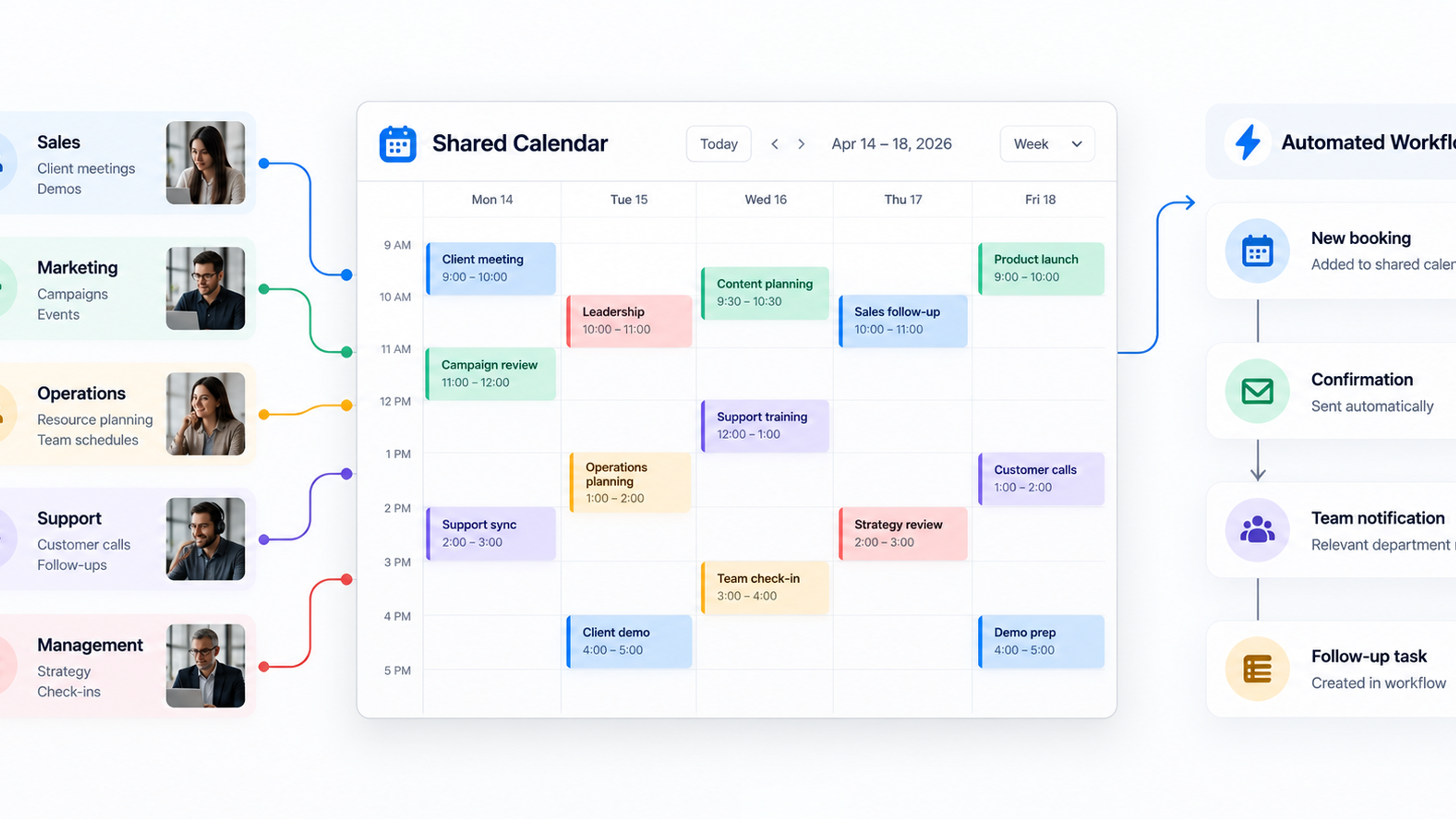
If a qualified prospect wants to view a property or arrange a seller consultation, a digital booking link can allow them to choose from available times without repeated back-and-forth messages.
The appointment should then appear in the relevant calendar and ideally write activity back to the contact record.
Automated reminders can reduce missed appointments and save agents from sending manual confirmations.
For larger operations, scheduling can also account for agent territories, listing availability or property-specific viewing windows.
The best scheduling workflow feels simple to the prospect even when several systems operate behind it.
Use digital tools to manage sellers as well as buyers
Lead-management discussions often focus heavily on buyer enquiries, but seller leads require just as much structure.
A seller enquiry might begin with a valuation request, marketing campaign, referral, website form or past-client interaction.
The CRM can capture the property address, reason for selling, likely timeline, valuation status and assigned agent.
Tasks can then track steps such as:
Initial enquiry → Qualification → Valuation appointment → Proposal sent → Follow-up → Instruction won or lost
If the seller is not ready, the contact can move into an appropriate nurture workflow rather than being discarded.
This is especially valuable for agencies that generate many valuation leads months before those homeowners are prepared to list.
Automate tasks, not relationships
Automation works best when it removes repetition.
Useful automations include:
- creating a task when a new enquiry arrives
- sending an immediate acknowledgement
- reminding an agent when follow-up is overdue
- scheduling another task if a call goes unanswered
- moving contacts into nurture after defined criteria
- sending appointment reminders
- alerting agents when long-dormant contacts re-engage
- updating dashboards as opportunities move through stages
What should not be automated blindly is substantive advice.
An automated system should not pretend to understand a buyer's financial position, interpret complex legal questions or negotiate on behalf of an agent unless the workflow includes appropriate human oversight and the relevant legal and professional requirements are satisfied.
NAR's 2026 technology report shows that agents are increasingly using AI for communication-related tasks, with 52% of REALTORS® using AI to draft emails and follow-up communications. That is best understood as assistance with repetitive work rather than evidence that relationships themselves should be automated. National Association of REALTORS®
Give agents one clear daily work queue
A well-designed lead-management system should answer a practical question every morning:
Who needs attention today?
Agents should not need to remember every lead personally.
A useful dashboard might show:
new leads awaiting first contact, overdue follow-ups, appointments today, leads with no activity for a defined period, recently re-engaged prospects and active opportunities approaching an important milestone.
This is more valuable than a dashboard full of decorative charts.
Operational software should tell people what needs to happen next.
The same principle applies to mobile use. Real estate work happens away from desks, so agents need access to contact history, tasks and communication tools from their phones without maintaining a separate mobile process.
Measure the pipeline, not just the lead count
One hundred leads from a channel that produces no appointments may be less valuable than twenty leads that regularly progress into qualified conversations.
Lead-management tools make that difference easier to see.
A useful reporting framework starts with the full path from enquiry to outcome:
Lead source → Contact → Qualification → Appointment or viewing → Opportunity → Closed transaction
Metrics can then be attached to the points where management decisions are possible.
Response time
How long does it take before a new lead receives a meaningful first response?
Automatic acknowledgements are useful, but they should not hide slow human follow-up. Teams should distinguish an automated confirmation from actual agent contact.
Contact rate
What proportion of new leads successfully enter a two-way conversation?
If one channel generates large volumes but most prospects are unreachable, its apparent performance may be misleading.
Qualification rate
How many contacts match the agency's service area, budget, property type and likely timeline?
This helps separate marketing quality from sales performance.
Appointment or viewing rate
What proportion of qualified contacts take a meaningful next step?
This can reveal whether follow-up is strong enough after qualification.
Conversion by source
Which sources ultimately contribute completed transactions?
NAR's lead-generation data shows that agents already rely on a broad mix of channels. Measuring them through one pipeline makes it easier to compare quality instead of judging channels independently. NAR
Overdue follow-ups
How many contacts currently have a next action that should already have happened?
This is often one of the most operationally useful metrics because it identifies work the team can still recover.
The best tool stack is often smaller than expected
A common digital-transformation mistake is assuming more software creates a more sophisticated business.
In practice, too many tools can create another version of the fragmentation they were supposed to fix.
Zillow's 2026 Agent Trends Survey found that a typical agent uses between two and four tools in a normal week, while ease of use had become the most important consideration when choosing technology. Zillow framed fragmented workflows as a continuing drain on agents' attention. Zillow
That should influence how real estate businesses select software.
A sensible stack might include:
a central CRM or lead-management system, property or MLS systems, communication tools, calendar and scheduling, marketing platforms and transaction-management software.
The exact products matter less than the connections between them.
Before adding another application, ask whether it introduces a genuinely new capability or simply duplicates something already available elsewhere.
Integration matters more than feature count
Two platforms may offer similar features while producing very different operational results.
The more important question is whether the lead-management platform can integrate reliably with the systems that already generate enquiries and support transactions.
Look particularly at:
native portal integrations, website form connections, email and SMS logging, calendar synchronization, advertising-source tracking, APIs or automation connectors, transaction systems, permissions and data export.
The final item is easy to underestimate.
A business should know how it can retrieve its customer and activity data if it later changes systems. Digital transformation should reduce dependency on manual work, not create unnecessary dependency on one vendor.
Keep data quality under control
Automation depends on clean data.
If agents use different stage names, leave owner fields empty or create duplicate contacts, reporting becomes unreliable regardless of how advanced the software is.
A few governance rules can solve much of this.
The business should define what each pipeline stage means, which fields are mandatory, when a lead can be marked lost and how duplicate contacts are handled.
Agents also need to understand why the rules exist. Data discipline is easier to maintain when the CRM helps people do their jobs instead of becoming an administrative burden.
Managers should periodically review records for missing sources, unassigned leads, overdue tasks and inconsistent stage use.
Protect client information
Real estate CRM systems can contain substantial personal information, including names, contact details, addresses, property interests, communication history and transaction-related information.
Access should therefore follow a clear need-to-know model.
Former staff should lose access promptly. Shared passwords should be avoided. Teams should use vendor-supported authentication and permissions where available. Sensitive information should not be copied into unnecessary tools simply because an integration makes it possible.
The same caution applies to AI features.
If a platform summarizes conversations or drafts messages using customer information, the business should understand how data is processed, what controls the vendor provides and whether the use complies with applicable privacy and professional requirements.
Technology should make lead handling more controlled, not less.
Introduce the system around one workflow first
A full lead-management transformation does not need to happen in one release.
A practical rollout begins with the biggest operational failure.
For many agencies, that might be new online buyer enquiries.
The first workflow could simply be:
Capture all new online leads → assign ownership → send acknowledgement → require personal follow-up → create next task → report response status.
Once the team consistently uses that workflow, the business can add long-term nurture, scheduling, seller leads, referral tracking, re-engagement and more advanced reporting.
This reduces implementation risk because the business can fix process problems before automating them at scale.
The software should fit a clearly defined operating model.
Do not automate a broken process
If five agents disagree about when a lead becomes qualified, software will not resolve that ambiguity.
Before configuring automation, define:
who owns each stage, what triggers the next step, what requires human judgment, how quickly actions should happen and what information needs to be recorded.
Then use technology to enforce or simplify that process.
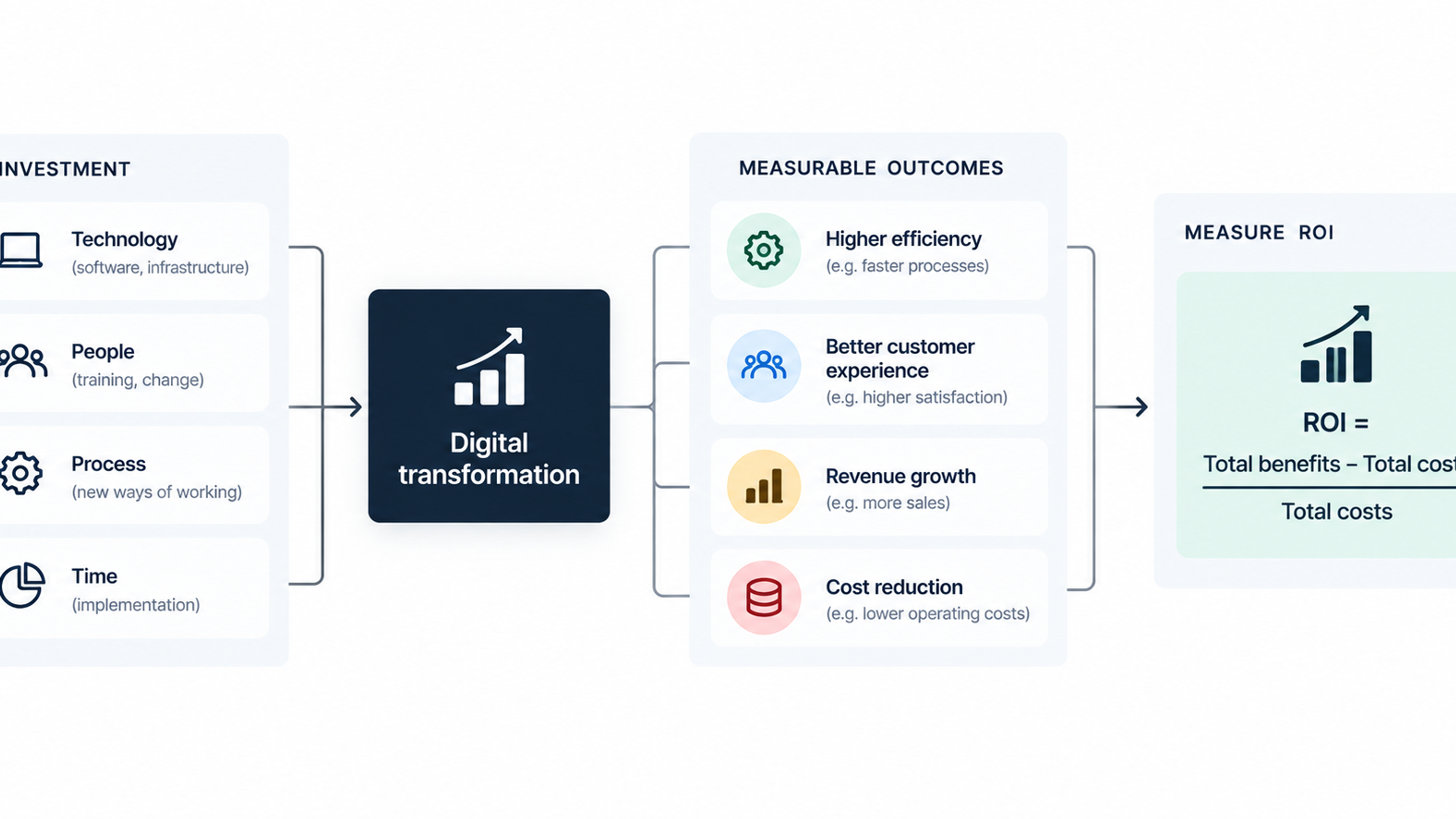
This is the difference between digital transformation and tool accumulation.
One changes how the business operates. The other merely adds software.
Where AI fits into lead management
AI is increasingly becoming part of the real estate technology stack, but its most practical uses remain fairly grounded.
It can help summarize lengthy contact histories, draft follow-up messages, classify notes, suggest next tasks, surface contacts that may deserve attention and reduce administrative work.
NAR's 2026 reporting says 55% of respondents saw a positive business impact from AI, while saving time remained the dominant reason for adopting technology more generally. National Association of REALTORS®
The useful standard is simple: AI should reduce work without reducing accountability.
An agent still needs to verify important details. Automated messages should not make commitments the business cannot honor. Sensitive decisions should remain under human control.
The best application of AI in lead management is often not a visible chatbot. It is quieter assistance that helps agents understand their pipeline and respond with less administrative effort.
What a mature real estate lead-management system looks like
A mature system does not necessarily look technologically impressive.
It looks operationally boring in the best possible way.
New leads appear in one place automatically.
Every lead has an owner.
Important enquiries receive immediate acknowledgement.
Agents know who needs follow-up.
Conversations and activities remain attached to the contact record.
Long-term prospects do not disappear simply because they are not ready today.
Viewings and appointments connect to calendars.
Managers can see where leads stall.
Marketing sources can be compared using downstream results.
When an agent leaves, the business retains the client history.
That is the real value of digital lead management.
The objective is not to automate every conversation or replace the expertise of the agent. It is to remove the avoidable operational failures that prevent good agents from responding consistently.
A better lead system creates more value from the leads you already have
Real estate businesses often focus first on generating more enquiries.
That makes sense when the pipeline is genuinely empty. But once the business already receives leads from websites, portals, advertising, referrals and social media, improving what happens after the enquiry can be equally important.
The digital transformation opportunity is therefore not simply "use a CRM."
It is to build a connected lead-management process in which data enters automatically, ownership is clear, follow-up happens consistently, agents retain useful context and managers can see where opportunities are being lost.
When technology performs that operational work reliably, agents can spend more of their time on the part of real estate that software cannot easily replace: understanding people, advising them well and guiding them through consequential decisions.
Frequently Asked Questions
Start with repetitive operational steps surrounding new enquiries: capture, acknowledgement, assignment, task creation and reminders. Keep qualification, advice, negotiation and relationship-building under human control.
Do not judge quality only by lead volume. Track whether leads are contacted, qualified, converted into appointments or viewings, moved into genuine opportunities and ultimately closed. Compare those outcomes by source.
AI can assist with summaries, message drafting, prioritization and repetitive workflow tasks, but it should not replace professional judgment. Important advice, financial discussions, negotiation and client-specific decisions still require appropriate human review.
Every active lead should have an owner, a status and a next action. Automated reminders, overdue-task dashboards and reassignment rules can catch leads that would otherwise disappear from the pipeline.
No. A well-configured CRM is also an operational system. It can support buyer leads, seller opportunities, referrals, appointments, nurturing, communication history, marketing attribution and management reporting.
Not every small agency needs an enterprise CRM, but once leads come from several channels or are handled by multiple people, a shared system usually becomes more reliable than personal inboxes and spreadsheets. The important requirement is consistent ownership and follow-up rather than software complexity.
A CRM or structured lead-management platform is usually the foundation. Businesses commonly connect it with property portals, website forms, email, SMS, calendars, advertising platforms and transaction tools. The best combination depends on which systems already generate leads and where follow-up currently breaks down.